





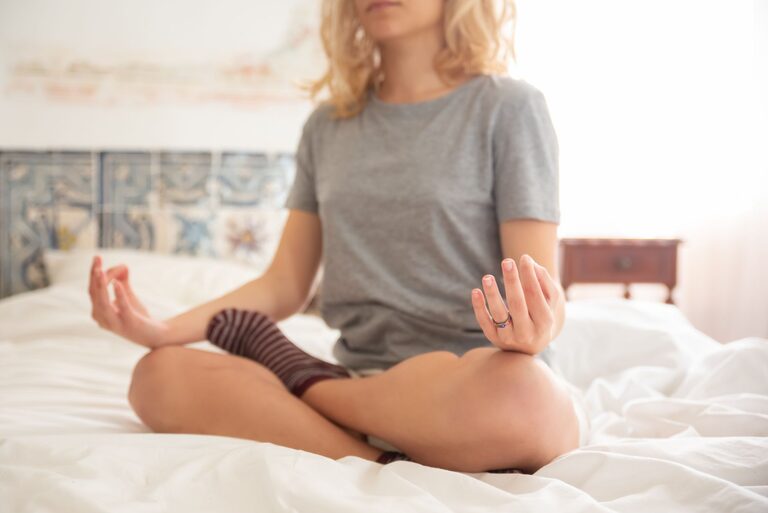
Mindfulness has become a popular way to improve mental well-being and bring calm to busy lives. But what exactly is mindfulness, and how can you incorporate it into your daily routine without needing to set aside hours each day? This post will explore simple mindfulness practices that anyone can do at home, work, or anywhere.
What Is Mindfulness?
Mindfulness is the practice of paying attention to the present moment, without judgment. Instead of worrying about the past or future, mindfulness encourages you to notice your thoughts, feelings, and surroundings as they are right now. This awareness can help reduce stress, improve focus, and increase emotional resilience.
Why Practice Mindfulness Daily?
Practicing mindfulness regularly offers many benefits:
– Reduces anxiety and stress
– Improves concentration
– Enhances emotional well-being
– Supports better sleep
– Increases self-awareness
Even short moments of mindfulness can make a difference, making it easy to fit into a busy schedule.
Simple Mindfulness Practices to Try Today
Here are some easy mindfulness exercises you can incorporate into your daily life.
1. Mindful Breathing
Breathing is something you do all day without thinking. By paying attention to your breath, you anchor yourself to the present moment.
How to do it:
– Find a comfortable seated position.
– Close your eyes, if you like.
– Take a slow, deep breath in through your nose.
– Notice the sensation of air filling your lungs.
– Slowly exhale through your mouth.
– Repeat for 3 to 5 minutes, focusing solely on your breath.
2. Body Scan
A body scan helps you become aware of physical sensations without trying to change them. It promotes relaxation and helps release tension.
How to do it:
– Sit or lie down comfortably.
– Close your eyes and take a few deep breaths.
– Slowly bring your attention to your feet. Notice any sensations—pressure, warmth, or tingling.
– Gradually move your focus upward through your legs, abdomen, chest, arms, and head.
– If your mind wanders, gently bring it back to the part of your body you are focusing on.
– Spend about 5 to 10 minutes on this.
3. Mindful Eating
Eating mindfully allows you to fully enjoy your food and can improve digestion and satisfaction.
How to do it:
– Remove distractions like phones or TV.
– Look at your food—the colors, textures, and shapes.
– Take a small bite and chew slowly.
– Notice the flavors and how the food feels in your mouth.
– Continue eating slowly, paying attention to each bite.
4. Mindful Walking
Walking can be a powerful mindfulness exercise, especially if you spend time outdoors.
How to do it:
– Choose a quiet place to walk.
– Walk slowly and focus on the sensation of your feet touching the ground.
– Notice the movement of your legs and arms.
– Pay attention to the sounds, smells, and sights around you.
– If your mind drifts, gently return your attention to your steps and surroundings.
5. Five Senses Exercise
This quick exercise helps you reset and become grounded during a busy or stressful day.
How to do it:
– Pause and look around to identify:
– 5 things you can see
– 4 things you can touch
– 3 things you can hear
– 2 things you can smell
– 1 thing you can taste
– Take your time noticing each sense fully.
Tips for Making Mindfulness a Habit
– Start small: Begin with just a few minutes a day and gradually increase.
– Set reminders: Use phone alarms or sticky notes to remind yourself to practice.
– Choose a consistent time: Morning, lunch break, or before bed can work well.
– Be patient: Your mind will wander—that’s normal. Gently bring your focus back without judging yourself.
– Use apps or guided meditations: Many free resources are available to help you get started.
Common Questions About Mindfulness
Do I need to sit still for a long time?
No, mindfulness can be practiced anytime—even while standing, walking, or doing chores.
What if I find it hard to concentrate?
It’s normal for your mind to wander. Just gently bring your attention back whenever you notice it drifting.
Can mindfulness help with stress?
Yes, it can help you respond to stress more calmly and reduce overall anxiety levels.
Conclusion
Mindfulness is a simple but powerful tool that can enhance your everyday life. By incorporating small practices like mindful breathing, body scans, or mindful walking into your routine, you can cultivate greater peace and focus. Remember, the goal isn’t to be perfect but to bring gentle awareness to the present moment. Start small, be consistent, and enjoy the benefits that mindfulness brings.
Try one of these exercises today and see how it changes your day!




More Stories