





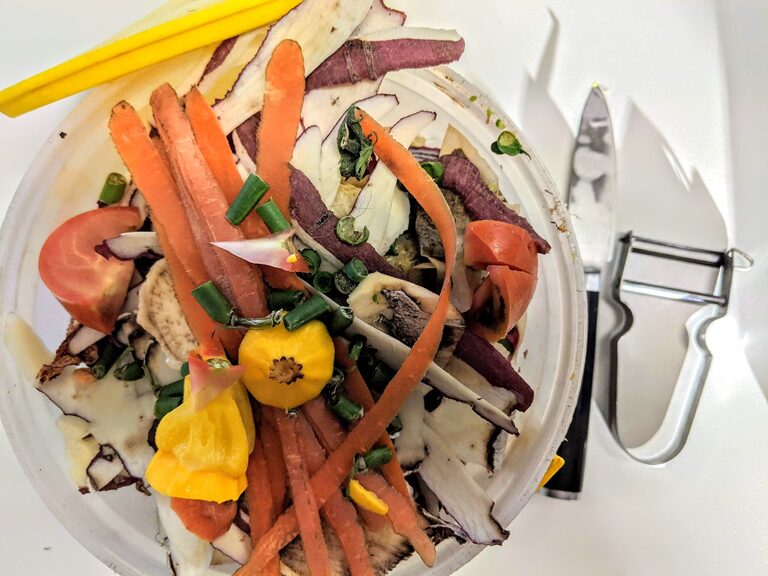
Reducing food waste at home is one of the easiest and most impactful ways to save money and contribute to a healthier planet. Millions of tons of edible food are thrown away every year, contributing to unnecessary landfill waste and greenhouse gas emissions. The good news is that small changes in how we shop, store, and use food can make a big difference. This post shares practical tips and habits you can adopt today to reduce food waste in your household.
Why Reducing Food Waste Matters
Food waste has environmental, economic, and social consequences. When food is wasted, all the resources used to produce it—water, land, energy—are also wasted. Additionally, food waste in landfills produces methane, a potent greenhouse gas. On a personal level, throwing away food means throwing away money spent on groceries. By reducing food waste at home, we can ease pressure on the environment and stretch our food budgets.
Plan Your Meals Ahead of Time
One of the most effective ways to cut down on food waste is to plan your meals for the week. When you have a clear meal plan, you’re less likely to buy things you don’t need or forget about ingredients already at home. Here are some tips for meal planning:
– Create a weekly menu: Write down what you’ll eat each day, including breakfasts, lunches, dinners, and snacks.
– Check your pantry and fridge: Take stock of what you already have before making your shopping list.
– Make a detailed shopping list: Stick to it to avoid impulse buys that may go unused.
– Plan for leftovers: Consider meals that can be repurposed for lunch or dinner the next day.
Smart Grocery Shopping Habits
How you shop can have a big impact on food waste. Shopping with intention helps you buy only what you need and what you can realistically use.
– Shop more frequently, but in smaller amounts: This keeps food fresher and reduces the chance of forgetting items in the back of the fridge.
– Avoid bulk buying perishables unless you’re sure you can consume them: Larger packages may seem like a bargain but can spoil before use.
– Choose loose fruits and vegetables: This way, you can buy the exact amount you need.
– Look for “imperfect” produce: Many stores now sell fruits and veggies that are misshapen but perfectly edible at a discount.
Proper Food Storage Techniques
Storing food correctly is key to extending its life and reducing spoilage.
– Understand fridge zones: Some areas are colder than others. Store meat and dairy in the coldest parts, keep fruits and vegetables in the crisper drawers.
– Use airtight containers: These keep food fresher longer and prevent odors from spreading.
– Don’t wash produce until ready to eat: Moisture can speed up spoilage.
– Label leftovers with dates: This helps you keep track of how long food has been stored.
– Freeze surplus: Many foods freeze well including bread, cooked meals, and certain fruits and veggies.
Get Creative with Leftovers
Instead of tossing leftovers, transform them into new meals.
– Make soups, stews, or casseroles: These dishes are forgiving and good for using up small amounts of vegetables, meat, or grains.
– Use vegetable scraps for homemade broth: Save peels, ends, and stalks in a freezer bag until you have enough to simmer.
– Reinvent stale bread: Turn it into croutons, bread pudding, or breadcrumbs.
– Mix leftover fruits into smoothies or bake into muffins and desserts.
Regularly Clean and Organize Your Fridge and Pantry
A clean and organized kitchen helps you see what you have and prevents forgotten food from going bad.
– Schedule weekly or bi-weekly clean-outs: Toss expired items and wipe down shelves.
– Use clear containers: They make it easier to see contents at a glance.
– Rotate stock: Place older items in front so they’re used first.
– Keep a list of what’s inside the freezer: This helps avoid buying duplicates or letting foods get lost.
Compost Food Scraps
Not all food scraps can or should be avoided, but composting them keeps waste out of the landfill. Composting turns scraps like vegetable peels, coffee grounds, eggshells, and fruit cores into nutrient-rich soil.
– Start a compost bin: You can keep one indoors with a small container or set up a larger bin outside.
– Learn what can and cannot be composted: Avoid meat, dairy, and oily foods in traditional compost.
– Use compost in your garden or houseplants: This closes the loop by giving nutrients back to the earth.
Educate Your Household
Food waste reduction works best when everyone in the home is involved.
– Share these tips with family and roommates.
– Encourage mindful eating and portion control: Serving reasonable portions reduces plate waste.
– Make it fun: Try food challenges or cooking nights that focus on using leftovers.
Conclusion
Reducing food waste at home is achievable with some simple adjustments to your shopping, cooking, and storage habits. Not only will you save money, but you’ll also contribute to a healthier environment. Start small, stay consistent, and enjoy the benefits of a more sustainable kitchen.
Remember, every little bit helps! By being mindful about the food you buy and consume, you’re making a positive difference.




More Stories